How Do Rugged Displays Withstand Harsh Environments?
- IDS Display
- 2 days ago
- 5 min read
Rugged displays are engineered to operate reliably in environments where standard commercial displays may fail. They withstand harsh conditions through a combination of reinforced construction, protective cover glass, environmental sealing, wide-temperature components, high-brightness backlights, optical enhancements, and designs built to resist shock and vibration.
For OEM manufacturers developing industrial, transportation, military, marine, construction, or outdoor equipment, ruggedization is not a single feature. It is the result of designing the complete display assembly around the conditions the product will face.
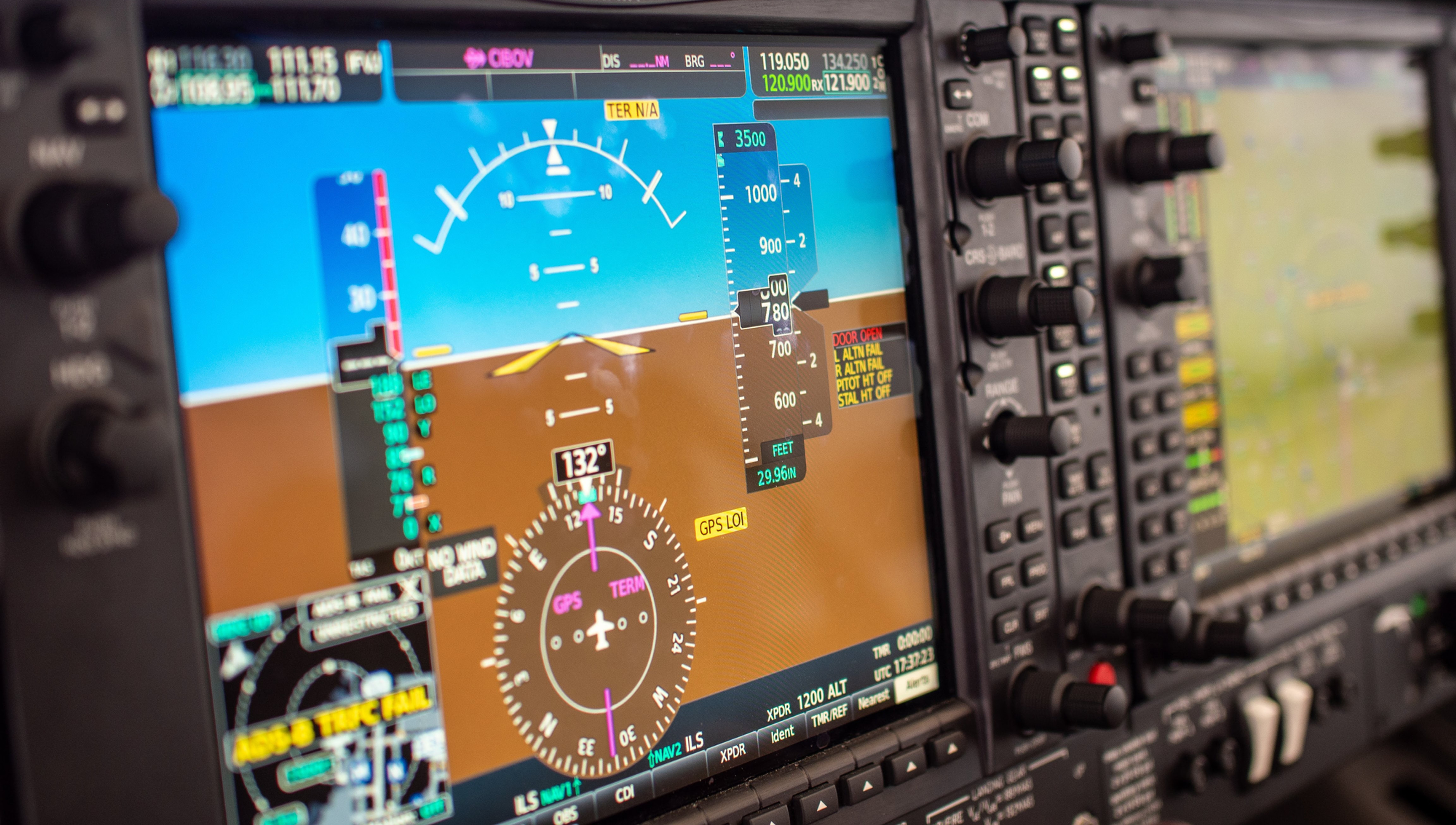
What Is a Rugged Display?
A rugged display is a display system designed for demanding environments where exposure to vibration, shock, dust, moisture, temperature extremes, sunlight, or repeated physical interaction may be expected.
Depending on the application, a rugged display may incorporate:
Reinforced mechanical construction
Chemically strengthened or tempered cover glass
Optical bonding
High-brightness LCD technology
Wide operating temperature components
Sealed front surfaces
Industrial touchscreens
Anti-reflective or anti-glare treatments
Shock- and vibration-resistant mounting
The exact configuration should be selected based on the final operating environment.
1. Reinforced Construction Helps Protect Against Shock and Vibration
Industrial equipment is often exposed to continuous vibration, impacts, or sudden movement.
Construction equipment, transportation systems, factory machinery, mobile equipment, and aerospace systems can all place significant mechanical stress on a display.
Rugged displays can use reinforced frames, stronger mounting structures, and carefully engineered internal assemblies to help protect sensitive LCD components.
Mechanical design is especially important because an LCD panel alone is relatively fragile. How the panel is integrated into the final enclosure can significantly affect overall durability.
2. Protective Cover Glass Adds Physical Protection
A rugged display often includes a protective glass layer over the LCD.
Depending on the application, manufacturers may select:
Tempered glass
Chemically strengthened glass
Custom thicknesses
Anti-glare coatings
Anti-reflective coatings
Custom printing or borders
Protective glass helps shield the display from scratches, impacts, tools, debris, and repeated operator interaction.
For touchscreen applications, the cover glass can also become part of the overall user interface while protecting the display underneath.
3. Optical Bonding Can Improve Strength and Visibility
Optical bonding fills the air gap between the LCD and the protective cover glass or touchscreen with an optical adhesive.
This can provide several benefits for rugged applications.
First, the bonded structure can create a more integrated display assembly.
Second, removing the air gap reduces internal reflections, which can improve perceived contrast and outdoor readability.
Optical bonding can also reduce the opportunity for moisture or condensation to develop between the display and cover surface.
For outdoor equipment, transportation systems, aviation interfaces, and other demanding applications, these optical and mechanical benefits can make optical bonding an important ruggedization option.
4. Wide Operating Temperature Displays Handle Extreme Conditions
Standard consumer displays are typically designed for relatively controlled environments.
Industrial products may need to operate in warehouses, vehicles, outdoor enclosures, manufacturing facilities, or other locations exposed to much wider temperature ranges.
Low temperatures can affect liquid crystal response time, while excessive heat can affect display performance and component life.
Rugged display solutions may therefore use LCD panels, backlights, adhesives, touch sensors, and electronic components designed for extended operating temperatures.
The required temperature range should be defined early in the design process so that every component in the display assembly can be evaluated appropriately.
5. Sealing Helps Protect Against Dust and Moisture
Dust, water, oil, and other contaminants can damage electronics or interfere with touchscreen operation.
Rugged display assemblies can be designed with sealed front surfaces, gaskets, and enclosure interfaces to help prevent contaminants from reaching sensitive components.
Some applications are designed to meet specific ingress protection requirements, commonly expressed through IP ratings.
However, an IP rating applies to the tested enclosure or assembly rather than automatically to an individual LCD panel.
OEM manufacturers should therefore consider how the display integrates with the complete product enclosure when designing for dust or water resistance.
6. High-Brightness Displays Improve Outdoor Readability
Physical durability is only one part of rugged display performance.
A display that survives outdoors but cannot be read in sunlight may still be unsuitable for the application.
High-brightness LCDs provide increased backlight output to improve visibility in bright environments.
When combined with technologies such as optical bonding and anti-reflective coatings, high-brightness displays can provide significantly better readability for outdoor and mobile equipment.
Applications may include:
Construction equipment
Agricultural machinery
Marine systems
Aviation equipment
Transportation displays
Outdoor kiosks
Mobile industrial equipment
7. Industrial Touchscreens Support Demanding User Environments
Many rugged displays incorporate projected capacitive or resistive touch technology.
The appropriate touchscreen depends on how the equipment will be used.
Projected capacitive touch can provide a modern multi-touch interface, while resistive touch may remain useful for applications requiring operation with certain gloves, styluses, or specialized input methods.
Touchscreen performance can also be customized for factors such as cover glass thickness, water exposure, glove operation, and environmental conditions.
For OEM projects, the touchscreen should be evaluated as part of the complete display system rather than selected independently.
8. Anti-Glare and Anti-Reflective Treatments Improve Visibility
Bright ambient light can create reflections that reduce readability even when the LCD itself is sufficiently bright.
Anti-glare treatments diffuse reflected light, while anti-reflective coatings are designed to reduce surface reflections.
The appropriate treatment depends on the viewing environment.
Combining high brightness, optical bonding, and suitable surface treatments can often produce better results than relying on brightness alone.
9. Industrial-Grade Components Support Long Product Lifecycles
Rugged equipment is often expected to remain in production much longer than consumer electronics.
OEM manufacturers may therefore need displays with:
Stable component availability
Long-term supply support
Consistent mechanical dimensions
Controlled design changes
Industrial-grade backlights
Long operating life
Selecting the right display supplier early can help reduce redesign risk if a display becomes unavailable during the product's lifecycle.
Where Are Rugged Displays Used?
Rugged displays are used across a wide range of demanding OEM applications, including:
Industrial automation
Heavy equipment
Construction machinery
Agricultural equipment
Transportation systems
Marine electronics
Aerospace and aviation systems
Medical equipment
Energy and utility systems
Outdoor kiosks
Mining equipment
Test and measurement systems
Each application can require a different combination of mechanical, optical, electrical, and environmental features.
What Should OEM Manufacturers Look for in a Rugged Display?
Before selecting a rugged display, manufacturers should define the actual conditions the product will experience.
Important considerations include:
Operating and storage temperature
Shock and vibration exposure
Required brightness
Direct sunlight exposure
Viewing angles
Dust and moisture protection
Touchscreen requirements
Cover glass thickness
Optical bonding requirements
Glove or wet-touch operation
Mechanical mounting
Backlight lifetime
Product lifecycle
Display availability
Regulatory or environmental testing requirements
There is rarely one display specification that is ideal for every rugged application.
The best solution comes from matching the display assembly to the final product's operating environment.
Custom Rugged Display Solutions for OEM Manufacturers
Interactive Display Solutions (IDS) works with OEM manufacturers and system integrators to develop custom display solutions for demanding applications.
Depending on project requirements, a rugged display solution can incorporate technologies such as:
High-brightness TFT LCDs
Industrial touchscreens
Optical bonding
Custom cover glass
Anti-glare and anti-reflective treatments
Wide-temperature displays
Custom mechanical integration
Long-term display supply
By evaluating environmental, optical, mechanical, and electrical requirements early in development, manufacturers can select a display solution designed around the needs of the final product.
Need a Rugged Display for Your Next Product?
Rugged display performance depends on much more than choosing a durable LCD.
The complete system—including the LCD, touchscreen, cover glass, bonding method, enclosure, backlight, and mounting design—should be engineered for the application's operating environment.
Contact Interactive Display Solutions to discuss custom rugged display options for your next industrial, transportation, outdoor, or specialized OEM product.
Published by IDS Display - Interactive Display Solutions, Inc.


